




Performance report: Armor Soybean yield stood strong in 2025
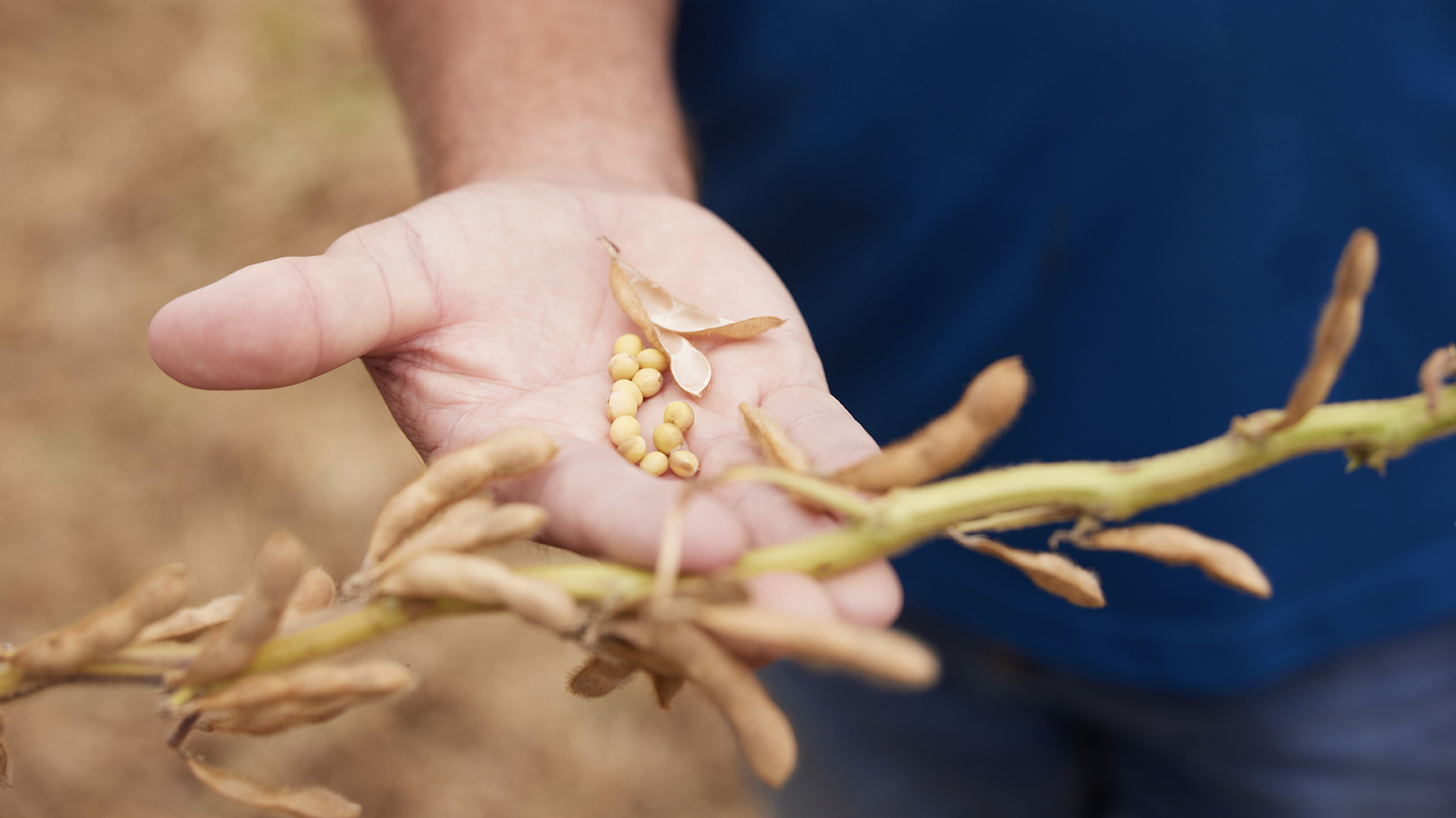
In the South, the Armor Seed team evaluated soybean performance at trial locations.
When cotton acres double as soybean acres across much of the South, it’s critical that each one contributes positively toward your operation’s ROI potential. And for those growers who planted soybeans in 2025, it was a challenging year. Early planting windows were followed by heavy rains through May and into June. Then, it turned hot and dry through July and August.
“It was a year of extremes,” says Eric Kennedy, a seed product manager at Armor® Seed. “These adverse conditions put our soybean products under a microscope from an intense trial standpoint — not only in trial plots but also in growers’ fields.”
Tough years like this are exactly what Armor seed is built for. Whether you’re planting cotton or soybeans in 2026, you can expect cutting-edge trait technologies paired with the local expertise to make them work. Tried and tested, Armor soybeans newly added to the lineup for 2026 stood up under the challenging conditions we saw this season.
New Products Held Strong
Looking back on 2025 performance, Kennedy says two XtendFlex® Armor soybean varieties stood out for consistency for both early- and late-planted windows. “Based on what I’ve heard from growers plus the yield data we’ve gathered, our newest releases are meeting and exceeding expectations.”
New to the market in 2025, Armor 48-F55S soybeans yielded an average of 83.6 bu/A across eight Answer Plot® locations in six states.1 If you have much field variability, then growers should consider using Armor 48-F75S, a high-potential WinPak® variety that offers strong offensive and defensive traits plus excellent standability from both parent lines.
“Based on feedback I’ve received, our growers were pleased with how this variety yielded, especially considering the environmental conditions that it went through,” says Kennedy.
The second standout, Armor 47-F66S soybeans yielded an average of 83.5 bu/A across the same eight Answer Plot locations in six states. Now available in 2026, this new STS excluder variety is an option for early planting, double crop and Delta rice acres. With a medium-tall, medium-bush plant type, it performs well across all soil types.
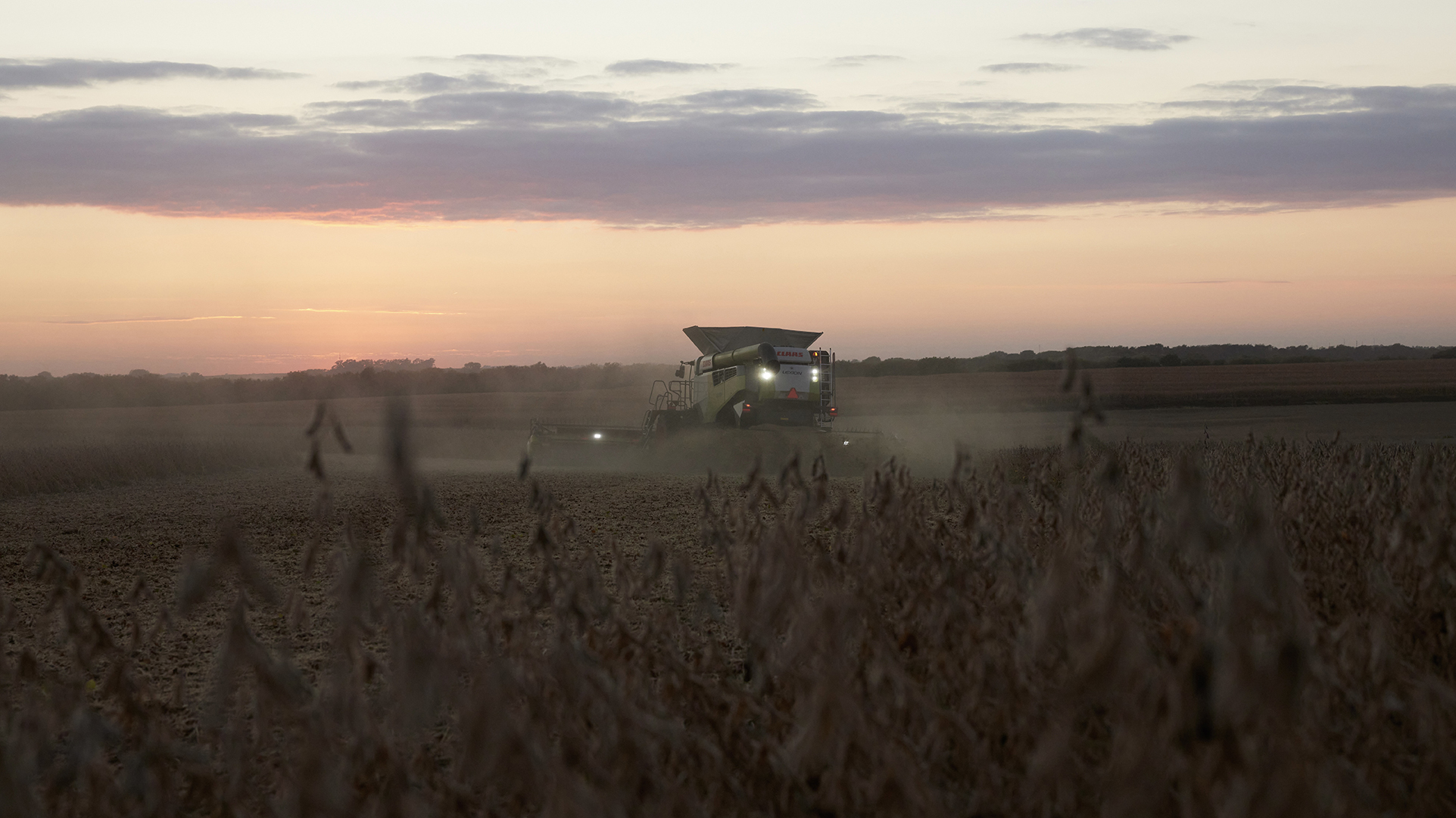
Even under adverse conditions, two of Armor’s newest releases delivered standout yield at harvest.
Tips for Success This Season
According to Kennedy, this past year was a good example of how you don’t know what the year is going to bring or what the toughest stresses will be, so growers must do their best to manage the risk. With proper planning and product placement, growers can overcome even the toughest production challenges.
With a new year around the corner, growers can use these suggestions to help navigate that uncertainty.
- Look for multiple sources of information for your local geography. Kennedy encourages growers to run side-by-side or product trials on their own land to test performance in addition to reviewing research and discussing recommendations with their Armor Seed retailer.
- Protect your seed investment with quality seed treatments. If you’re looking for consistent, proven performance for your soybeans, Kennedy recommends Ascendâ ST3ä PGR paired with Warden® CX II seed treatment, which provides powerful protection against insects and diseases.
- Consider a WinPak® variety to help mitigate risk. Each WinPak variety is a unique combination of two soybean varieties designed to address field variability and provide an exceptional level of stability.
- Lean on local expertise. Your Armor Seed retailer has the local data and insights to help you select the best products for your acres. Plus, they’ve invested in your success.
If you’re new to Armor Seed or would like to discuss recommendations for the upcoming season, contact your local retailer for more information.
12025 Answer Plot trial data from these locations: Hopkinsville, Kentucky; Greenfield, Tennessee; Jackson, Tennessee; Athens, Alabama; Hazen, Arkansas; Cleveland, Mississippi; Indianola, Mississippi; Lake Providence, Louisiana.
All photos are the property of WinField United or used with permission.
© 2026 WinField United. Important: Before use always read and follow label instructions. Crop performance is dependent on several factors many of which are beyond the control of WinField United, including without limitation, soil type, pest pressures, agronomic practices and weather conditions. Growers are encouraged to consider data from multiple locations, over multiple years and to be mindful of how such agronomic conditions could impact results. Answer Plot, Armor, Ascend, ST3, Warden and WinPak are trademarks of WinField United. All other trademarks are the property of their respective owners.