A bag of cotton seed represents an investment long before the first seedling emerges. Protecting that investment takes viable seed and strategic planting decisions that give it the best opportunity to establish a stand. Cotton Incorporated’s Agricultural and Environmental Research team is connecting those two elements through coordinated seed quality research.
That effort includes welcoming academic researchers, USDA scientists, regulatory seed labs and seed company representatives together at the Seed Quality Summit, held Sept. 22-23, 2026, in Cary, North Carolina. Led by Cotton Incorporated research directors Drs. Gaylon Morgan and Evy Jaconis, the initiative began with a small research working group in 2022 and has expanded into an industry-wide collaboration focused on knowledge gaps that matter to growers.
The summit connected ongoing research around a shared goal: helping growers establish better cotton stands. Discussions examined how seed characteristics, laboratory testing and handling affect planting performance, and how agronomic decisions influence the outcome in the field. Together, these efforts are building a clearer picture of what supports successful stand establishment.
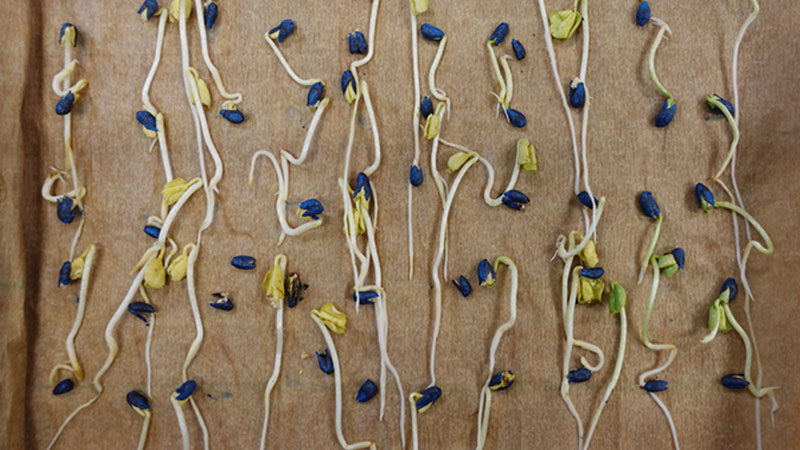
One question at the center of that work is what a laboratory test can tell growers about performance in the field. Germination measures whether seed is viable and has the potential to produce a normal seedling. While seedling emergence in the field also depends on soil moisture, temperature, planting depth, pests, and soil crusting. Understanding that distinction between germination and emergence helps growers interpret test results and manage planting conditions.
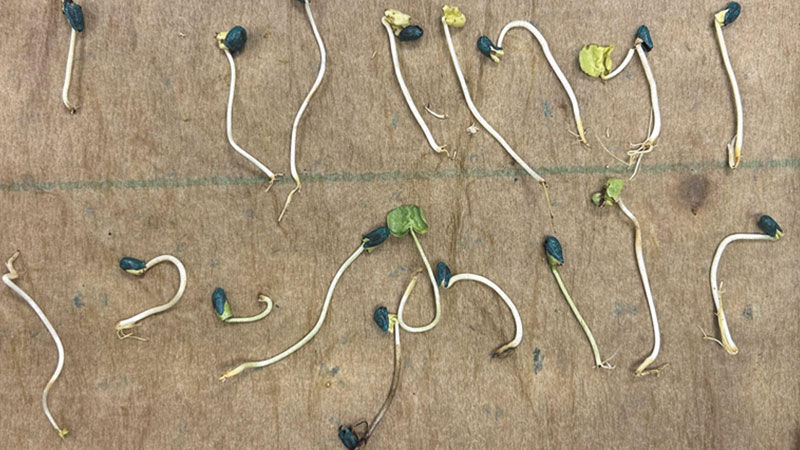
A Beltwide seed quality survey conducted across 15 locations within the cotton belt during 2020 found that 95% of commercial seed lots had good warm germination values. It also identified inconsistencies in cool germination results between laboratories and limitations on over-relying on those results to predict stand establishment. Those findings helped guide subsequent research.
At North Carolina State University, graduate student Mike Phillips, working with Drs. Keith Edmisten and Guy Collins, is investigating testing methods that could improve consistency and better predict stand establishment. His findings for a modified cool germination test are encouraging but will require approval from the Association of Official Seed Analysts before seed testing laboratories can adopt them as standard practice.
Another North Carolina State project, led by Dr. Lori Unruh Snyder and her Ph.D. student, Cassidy Sharpe, are updating how visual mechanical damage to cotton seeds is categorized and assessed. Researchers are exploring imaging technology to make evaluation more efficient. Better characterization could help seed companies assess seed lots and give growers more useful information about planting seed and stand establishment.
Other research follows seed quality through production, harvest, and ginning. Dr. Ken Legé at Texas A&M University and Dr. Randy Norton at the University of Arizona are examining where quality may be affected along that path to planting seed. Together, these projects connect seed characteristics with testing and handling methods, helping researchers understand the factors behind successful stands.
In addition to planting seed quality, the work also considers the cotton co-product of cottonseed which also brings value to the crop. Oil and other seed characteristics influence both seedling vigor and cottonseed’s use in livestock feed and oil markets. Bringing those perspectives together helps researchers pursue improvements that support planting performance while supporting the value of cotton’s co-products.
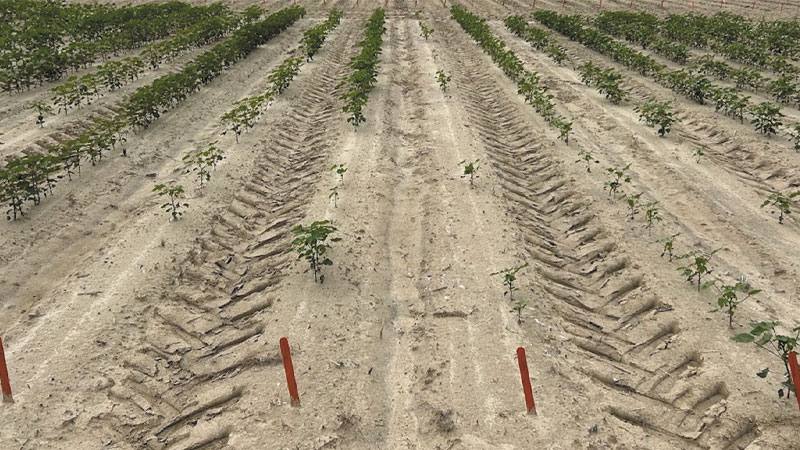
For growers, the most important learning is to continue to pair seed quality information with sound agronomics with our current seed characteristics. Generally, the quest for higher lint yields (higher lint percent) has led to smaller seed size over the past 15+ years, and smaller seeds are less forgiving of deep planting and adverse soil conditions, even when it has high germination values. Requesting the quality analysis for purchased seed, working with local experts on planting depth and soil conditions, and using tools such as North Carolina State’s Cotton Planting Conditions Calculator to inform planting timing will increase the likelihood of establishing a quick and strong cotton stand.
Checkoff-supported research is building the knowledge needed for better testing and management. The shared goal is to help growers make the most of their seed investment and establish the stand to optimize profitability.
To learn more about Cotton Incorporated–supported agricultural research, visit www.cottoncultivated.cottoninc.com.