



Brazilian Cotton Market Perspectives
 March 9, 2009
 The September World Production Report from the United States Department of Agriculture stated there is a reduction estimate of 1.8 million tons from the 2007/08 cotton crop to the 2008/09 crop. This is mainly due to the decline in U.S. acreage, with the largest fall (around 1.2 million tons), followed by China (with an expected 0.4 million ton reduction). Brazil accounts for about 12.5 percent (0.2 million tons) of the global acreage decrease.
In recent years in Brazil, input prices – the cost of fertilizers, insecticides and fungicides – have increased around 200%, especially for cotton. Fertilizer and chemical prices in Brazil have become some of the highest in the world, and such price increases are reflected in the high production costs. Moreover, the increased value of competing crops, such as corn and soybeans, has contributed to this reduction, reports Peter Graham of Weil Brothers. He believes that if this kind of relationship remains in the next season, the figures should be even more expressive.
João Roberto Naves, from Metasul Brokers, cites freight issues as another factor responsible for the high production cost. The inland freight cost in Brazil is very high due to the poor road and railway conditions, creating high fuel costs for transport. The logistics in Brazil are in immediate need of improvement.
With cotton production costs so high, the soybean now appears as a substitute for cotton planting more often.
Graham spots an international business opportunity for Brazilian cotton, amidst the world crop reduction. Brazil’s major exporting competitors for machine picked cotton, the U.S. and Australia, have reduced their planted area in the last few years. Graham believes that those reductions left a bigger market share for Brazil.

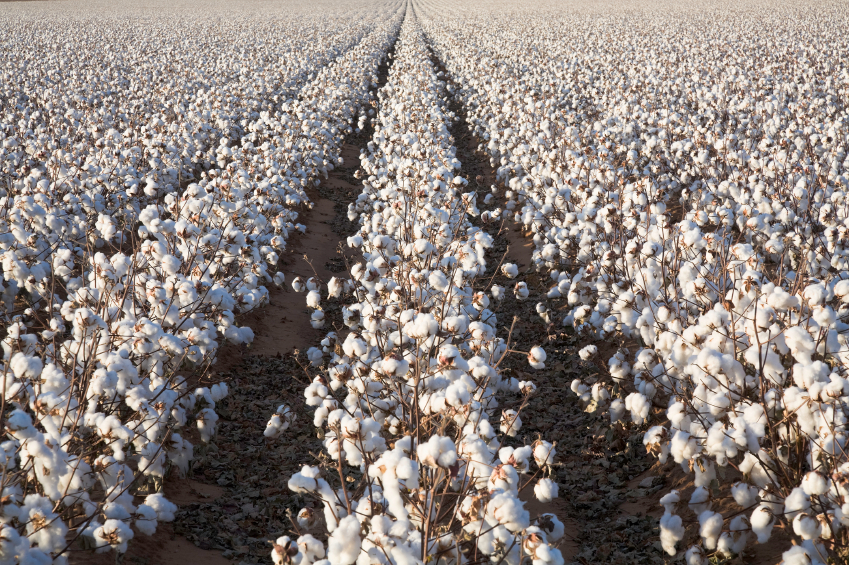
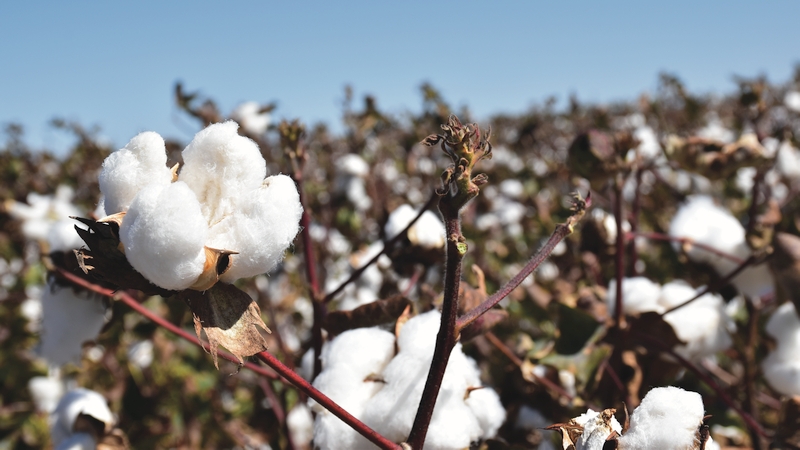
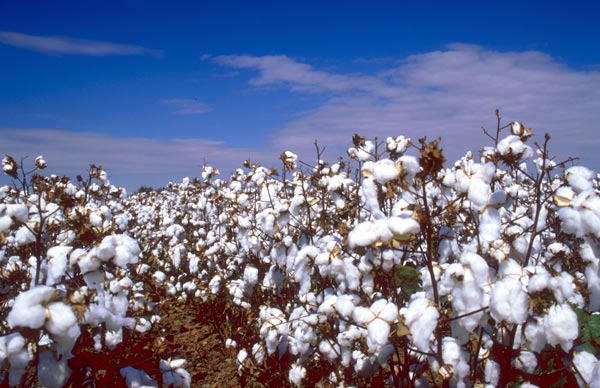

The challenge now for the producer is to find a way to reduce total production costs for cotton and other crops. For example, in Mato Grosso, soybean producers are working on developing their own sufficiency in fertilizer production. They are looking for phosphorus sources in the state as an alternative to reduce fertilizer cost.
Some growers deciding to work with different commodities may not be all bad for the cotton industry in Brazil. For Marcelo Escorel, from Louis Dreyfus Commodities Brazil, the reduction in production does not threaten the market; in actuality, it makes it more competitive. The lack of available raw cotton could lead to higher cotton prices in the market and a retake of the unplanted areas later.
Many other factors, aside from input and competition with other higher profit commodities, influence grower planting decisions. Climate, actual price offer, demand, liquidity, financial credit capability and expectations in the future are some of the other important factors, Marcelo reports. But of highest importance is the U.S. Dollar exchange rate against Real.
Raw cotton production represents to Brazil one of the main agricultural activities for the domestic market, as a supplier of raw material and also as a raw cotton exporter. All the volatility faced in the last month has suspended cotton business in Brazil where traders, mills and producers decided to wait for the U.S. Dollar exchange to settle down before further actions in the market took place.
Graham very well remembers that Brazil’s cotton market has a buffer that softens the international market volatility impact, which is the import taxes and local market premiums such as PROALMAT and PROALBA (fiscal incentives with the objective of researching and developing better cotton quality). In his opinion, the general trend of world price levels will exercise pressure in the Brazilian market anyway, even with a slight delay.
For small farmers, the currency volatility and the high input prices have been forcing them to build up alliances with larger growers or even with co-operatives to stay in business. Naves comments that for small producers it might be very difficult because, among agricultural products, cotton requires the highest investment. This situation would facilitate larger companies taking over the smaller growers. The recent events have made life hard for a producer of any size. Graham says the survivors “will be those with the best cost/result relationship with the financial capacity to not depend on expensive financing, and those with policies and/or abilities which assist them to protect their costs and improve their prices.”
He believes the market has presented opportunity for large farmers so far, as well as for smaller ones. Otherwise the first has some advantage against the second, with more infrastructure, know-how and bargaining capacity. The second can continue competing to achieve a good crop-rotation, cautions and reliable marketing and a tightly run cost-wise operation, he says.
The market has a constant movement up and down due to currency oscillation, economy changes, political decisions and unexpected weather occurrences, which will always represent a real challenge for everyone in the business. For those who wish to keep on with the market, as in any kind of business, it is necessary to be prepared and have a very good plan to confront any adverse period.
What has been seen in Brazil is a brave and strong group of growers, with many high expectations for the future, beyond any forecast made.
GET THE NEWSLETTER TODAY!