
Achievement Award: Dunlow Fulfills a Lifetime Commitment to Cotton
 January 12, 2026
 David Dunlow’s love for cotton farming came naturally. His father had settled in tiny Gaston, NC, and quickly took up row crop farming, just five years before David was born. In a time before mechanization had swept the country, his mother picked cotton by hand.
For his part, David fell right into the family business — driving a tobacco tractor before he’d turned 10 years old, he recalls.
“Every weekend and all summer long, I was on that farm doing something to help my dad,” Dunlow says.
Later, when a cousin introduced David to industry advocacy and association work, he threw himself into those challenges as energetically as he had done on the farm in his childhood. Beginning with roles on the state and local level, Dunlow rose through the ranks of national cotton organizations, culminating with his tenure as Chairman of the American Cotton Producers, the producer policy arm of the National Cotton Council. His impact on the American cotton industry over the years has been immeasurable.
“His ability to communicate with members of Congress, and build consensus among producers, has helped deliver billions of dollars in critical support for growers nationwide,” wrote one of his industry peers.
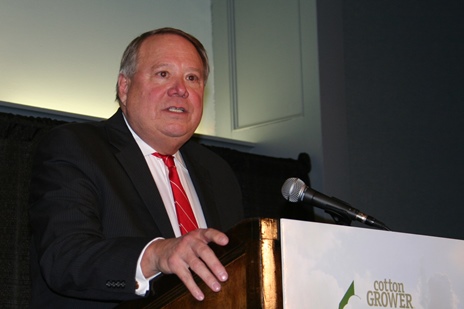

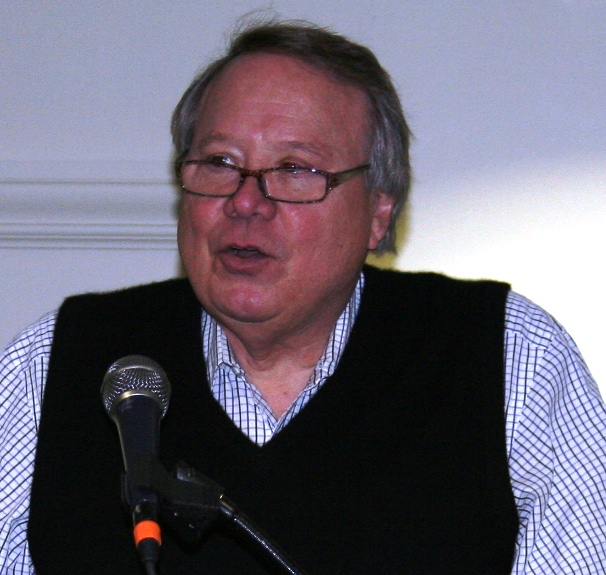
Dunlow’s talent and zeal for both cotton production and cotton advocacy have made him an indispensable force in the cotton industry since the 1980s. For these reasons, he has been selected by his industry peers as the 2025 Cotton Grower Cotton Achievement Award honoree.
Family First
Dunlow’s father moved to rural central North Carolina in 1956 and quickly began farming. When David was born in 1960, the farming operation was just finding its footing. David took to the family business like a fish to water.
“At 9 years old, I was driving the tobacco tractor,” David recalls.
David worked on the farm throughout high school. There was never any question of what he might do when he got older.
“I graduated on a Friday night, and on Saturday morning I started my full-time job with dad,” he says. “I loved it. That’s where I wanted to be.”
Dunlow’s career got off to a promising start, and by 1985, he was ready to begin farming for himself. That year, he borrowed from the Farmers Home Administration and farmed “maybe 300 acres” of his own.
“When you’re young, you don’t know any better. I wasn’t scared at all when I started out,” he says. “I was young and didn’t really realize the stress and the problems that would come along, but it was fun to start out for sure,” Dunlow says, with a chuckle.
Much has changed on the farm in the intervening 40 years. Dunlow recalls having hired help to pick cotton when he was a youngster, while he and his siblings would chop weeds on foot.
“We went from that to having dad’s first picker, which was a one-row cotton picker. Then we had two-rows, then four- and all the way up to the baling picker,” he recalls. “From chopping weeds to herbicides to GMOs — all of that I’ve seen. The biggest thing is the tractors now with all these computers and auto-steer, it’s just a world of information you have to learn.”
Through all the changes, one constant has remained: Dunlow has made farming a true family affair. Just as he grew up working on his father’s operation, David has enjoyed working with his eldest son William in recent years. Now 34 years old, William handles most of the management of the farming operation.
In addition to raising William, son Daniel (31), and daughter Elizabeth (28), David’s wife Debra has also been an integral part of the farming business.
“My wife, hats off to her,” David says. “She works on the farm, in the office. But in all those years, she was back here with the kids — getting them to school and getting them fed and in baths, when dad was off on a cotton trip. She was behind the scenes, but she was absolutely a critical part of why I was able to do what I did with these organizations.
“Everybody sacrifices, the wife and the kids, when dad gets that involved. They all supported me while I was busy with industry advocacy, and so this award is for all of them, too,” David says.
Tireless Advocacy
Dunlow credits his cousin with inviting him to a Southern Cotton Grower’s meeting in the late ‘90s, which introduced him to association workings.
Another friend, David Grant, introduced Dunlow to the North Carolina Cotton Producer’s Association shortly thereafter, which eventually led to his enrollment in the DuPont Cotton Leadership Program in 2003.
“It was all very interesting,” Dunlow says. “It was like a new world to me — a world I didn’t know existed. The more I learned and volunteered, the more jobs they gave me.”
Dunlow began a series of increasingly important roles with the National Cotton Council beginning in 2002. He started as a producer delegate for North Carolina and became an advisor to the NCC Board of Directors in 2013. He was later elected to serve as a producer-director on the NCC Board of Directors and, in 2024, served as a member of the NCC Strategic Planning Committee.
Dunlow began as a state chairman with the American Cotton Producers (ACP), the producer policy arm within the NCC, in 2005. He eventually rose to the position of chairman of the ACP in 2024 — a position he still holds.
“In his roles with the NCC and ACP, he has been at the forefront of key policy victories, including securing vital disaster relief and advocating for cotton’s strong standing in the One Big Beautiful Bill Act, as well as previous Farm Bills,” wrote Jim Davis, CEO of Southern Cotton Growers, Inc.
Dunlow has also spent time serving in state and regional leadership positions. He has served as president of the Southern Cotton Growers, Inc. and president of the North Carolina Cotton Producers’ Association. Closer to home, he has also held leadership roles in the Northampton County Farm Bureau and the Gaston Co-operative Cotton Gin. Dunlow has also served with the Cotton Board and Cotton Incorporated.
“His lifelong contributions to farming, industry leadership, and grower representation make him a most deserving candidate for the Cotton Grower Cotton Achievement Award,” wrote Davis.
GET THE NEWSLETTER TODAY!