



Cotton in recovery
 March 16, 2009
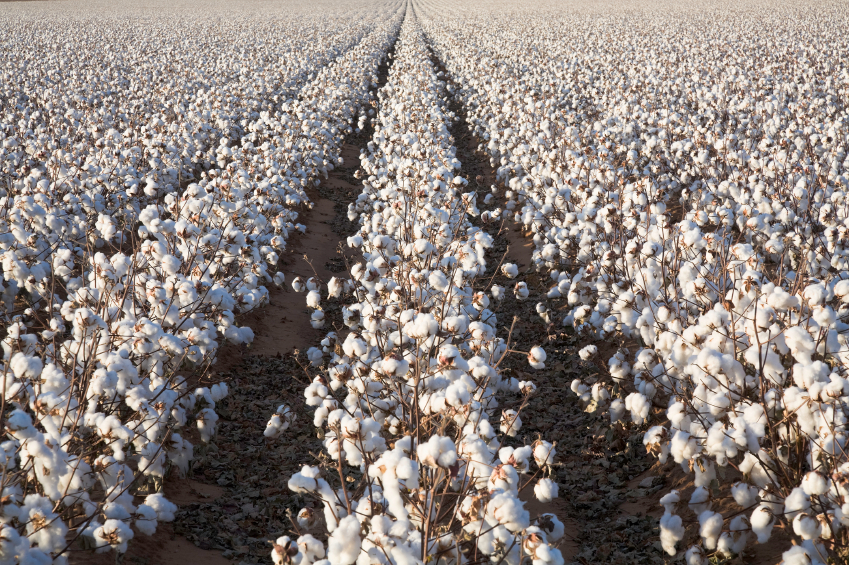
 Despite enduring five years of record drought, capped off with extreme market volatility in 2008, the Australian cotton industry is well positioned to recover strongly in 2009 and beyond.
While the local drought has not broken for the 2008/09 cotton planting window, irrigation water availability is better than last year’s levels, and stored soil moisture in many areas should be enough to sustain a dryland crop. And, despite sharp falls for cotton futures on ICE leading up to Australian planting in October, growers were able to benefit from a falling Australian dollar, which saw local prices surge to between A$450 and A$500 per bale as the planters started rolling.
When you tack on the “premium” growers receive for the cotton seed, no other competing crop comes close in terms of gross margins. Thus, fallow land with a suitable moisture profile in many areas was automatically switched into cotton production.
Under these conditions, most in the industry expects production to be between 2 and 2.5 times last year’s extremely low production of just over 600,000 bales. It’s a far cry from the halcyon days of the late 1990s and early 2000s when crops in excess of 3 million bales were the norm, but at least it is an improvement.
Gradual Growth

And from most participants’ point of view, a gradual return to capacity production, which is now beginning, is far preferable to a sudden explosion. It goes without saying that falling production over recent years has seen resources drain away from the industry, including transportation, warehousing and human capital.
At the same time, there have been massive efficiency and productivity gains at the farm level, and, with full acres, no one really knows just what Australia’s cotton producing capacity could now be. It is certainly going to be difficult attracting the people and infrastructure back to the post-farm gate cotton industry in Australia. But the biggest challenge in terms of handling and shipping a close to capacity crop will be renewing “volume demand” from our traditional markets so that we are able to “turn” our collective stock quicker than we did during the drought.
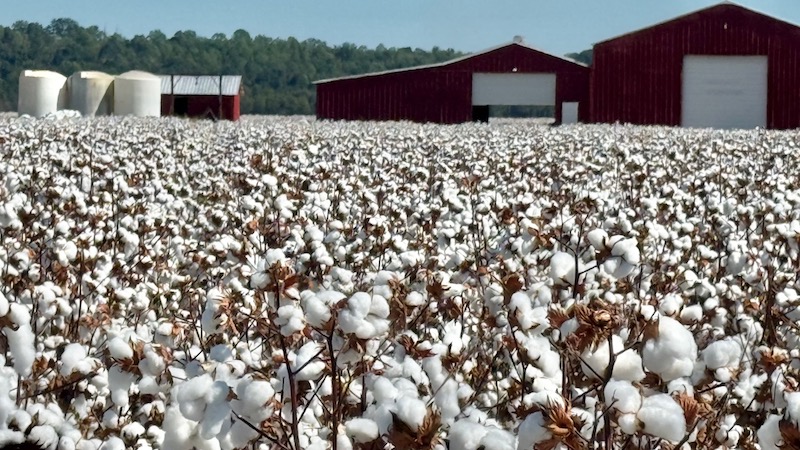
Production uncertainty during the drought reduced the Australian trade’s willingness to sell forward, which, combined with the advent of one large super player in the cotton consumption market, meant merchants were probably carrying a larger proportion of stock than they traditionally would. We simply will not have the shed space to do that when production returns to normal production levels.
Thus, the Australian Cotton Shippers Association is working hard to promote the Australian product in all markets, to ensure recognition of our superior fiber characteristics and environmental and social credentials. Our seed breeders are turning out upland varieties with exponentially better quality parameters than other growths can produce, and our fully audited and traceable “Best Management Practice” program is gaining global recognition as the benchmark for eco-friendly cotton production amongst brand owners.
The Australian industry has worked together to ensure we continue to produce a consistent product that can be differentiated from the competition so that we are able to retain markets for our return to full production.
Add table
GET THE NEWSLETTER TODAY!