


Cotton Receives Some Great Big Beautiful Benefits
 September 8, 2025
 The One Big Beautiful Bill Act (OBBBA), signed into law by President Trump on July 4, provided the cotton industry many of the beneficial provisions that had been under consideration in the ongoing, multi-year farm bill debate.
With input from the National Cotton Council (NCC) and other commodity groups, the bill addressed key agricultural needs such as crop insurance, the farm safety net, and tax provisions for farmers. It also included — among other items — increased marketing assistance loan rates, enhanced repayment flexibility, and cotton storage payments.
For example, the bill:
- Extends marketing assistance loan programs through 2031 and updates loan rates for major commodities, including cotton, starting in the 2026 crop year.
- Resumes cotton storage payments and enhances repayment flexibility based on world market prices.
- Includes provisions that improve crop insurance (although it wasn’t easy), potentially making it more affordable and beneficial for farmers.
- Strengthens the farm safety net, which provides a financial cushion for farmers during challenging times.
- Includes tax provisions aimed at providing relief to family farms and agribusinesses.
- Extends the Price Loss Coverage (PLC), Agricultural Risk Coverage (ARC) and other programs through 2031.
“When there is a united voice coming from agriculture and from the cotton industry, it resonates in Washington, it speaks loudly, and it moves the needle when it has to do that,” points out Gary Adams, NCC President and CEO.
One of the American Cotton Shippers Association’s (ACSA) key priorities during the debate was to modernize the Marketing Assistance Loan (MAL) program by making several changes to adjusted world price calculations, storage credits, and access to this program for ELS cotton.
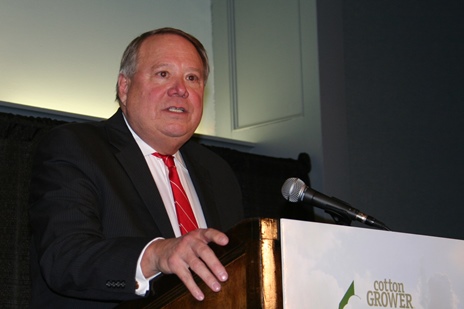


“In low price conditions like our producer customers are currently experiencing, these changes will deliver higher prices when MALs are redeemed,” says Buddy Allen, ACSA President and CEO. “Additionally, these provisions will incentivize cotton to move more expeditiously into the supply chain, improving our cotton’s competitiveness.
Implementation timing is critical. The industry continues to work with the Administration to prioritize this rulemaking and implementation.
Buying American Cotton Act
Additional legislation favorable to cotton has been introduced in Congress and is rapidly gaining support and sponsorship in both the Senate and House.
In a nutshell, the Buying American Cotton Act offers tax credits to brands and retailers who can document use of more cotton in their sourcing decisions. Those credits increase depending on the level of production or manufacturing that occurs in the U.S.
“At the end of the day, we want to give incentives that provide a stronger signal to use cotton as opposed to polyester,” explains Adams. “Timing didn’t work out to get it into the OBBBA, but we believe there are going to be a couple of avenues for it later this year.”
“While ACSA is pleased with the additional support provided through the OBBBA’s collective update to the farm safety net, we strongly recommend our industry’s continued advocacy for the Buying American Cotton Act of 2025,” adds Allen.
“We must also remain vigilantly committed to procuring market access for U.S. cotton during the ongoing trade negotiations and commend the Administration for their engagement during these critical discussions. Collectively, these policies can restore economic health to our industry when it has never been needed more.”
GET THE NEWSLETTER TODAY!