



In the Hub of Activity
 March 17, 2010
 In the Bangladesh textile industry, the Primary Textile Sub-sector (PTS) includes spinning, weaving, dyeing-printing, finishing-readymade garments (RMG), knitting and knit dyeing, handloom, specialized textile and other related activities. The Bangladesh Textile Mills Association (BTMA) represents the PTS in the private sector.
In addition to BTMA member mills, there are a few (at the moment, 23) textile mills under the public sector, whose performance is not very significant since the country opted for a market economy. The PTS has made a remarkable contribution to the rapid growth of the Bangladesh RMG sub-sector, particularly the knit sub-sector. International apparel buyers prefer to work with Bangladesh for two main reasons: the presence of a sizeable PTS capable of ensuring around 100 percent input to knit and 40 percent input of woven sub-sector of RMG due to a reduction in lead time; and competitively priced high volume lower end products.
Bangladesh PTS has achieved a phenomenal growth over the last two decades. This is mainly due to an increase in the export of RMG to the U.S and European Union markets. The EU, under its Generalized System of Preferences and Everything But Arms scheme, has provided duty-free, quota-free market access. If apparels are made of raw materials produced locally, they qualify for duty-free market access to the EU. This tariff preference has boosted RMG exports and, at the same time, heavily contributed to the establishment of the mills at the PTS level.
At present, Bangladesh is competing with India, Pakistan, China and other Asian RMG exporters on equal footing, despite the fact that Bangladesh does not provide its own raw cotton and textile machinery. Meanwhile, the expansion of new PTS mills has been stalled due to the recent global financial and economic crisis. Since we do not produce raw cotton, almost 100 percent of the requirements of raw cotton are imported from CIS countries, the United States, West Africa, India, Pakistan, Australia and other countries. The present requirement of raw cotton varies between 3.5 million bales to 4 million bales depending on the apparel demand in the international market.
Development of the textile sector, including RMG units, calls for the preparation of a pragmatic road map with a synchronized strategic action plan that includes technology, inputs, human resource development, quality, productivity compliances and other trade promotion aspects. Issues relating to quality, productivity, compliances and cost minimization depend on the sustainable supply of skilled manpower.
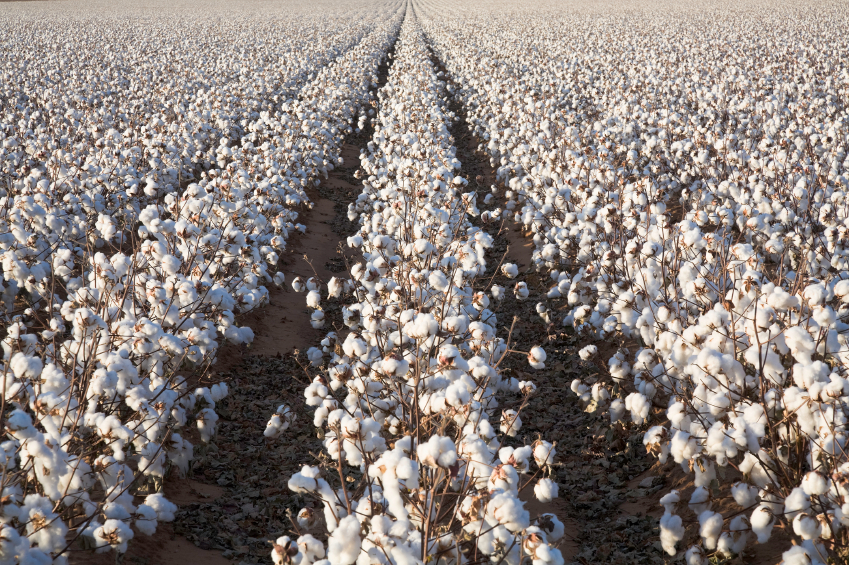
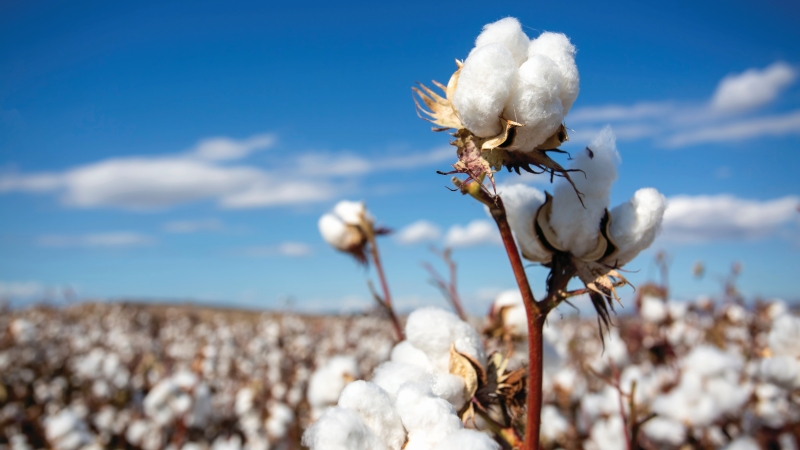
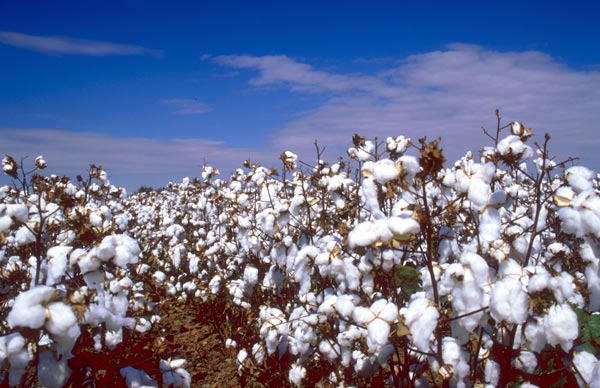
Although there has been a declining trend in cotton’s share of textile fibers compared to man-made fibers, cotton remains — by far — the most important natural fiber in the global textile trade. In development context, cotton is crucially important for the income and employment it provides to those who produce and process textiles globally.
GET THE NEWSLETTER TODAY!