



Setting the Stage for Growth
 March 17, 2010
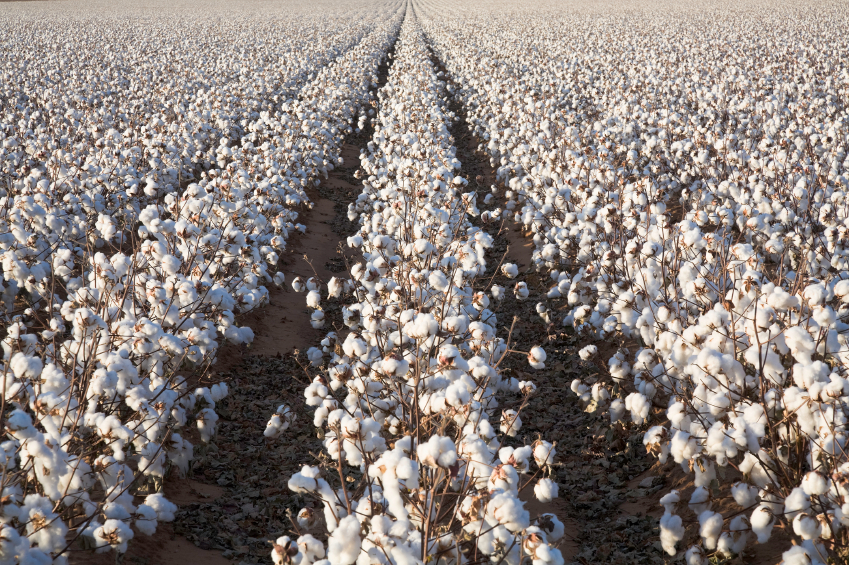
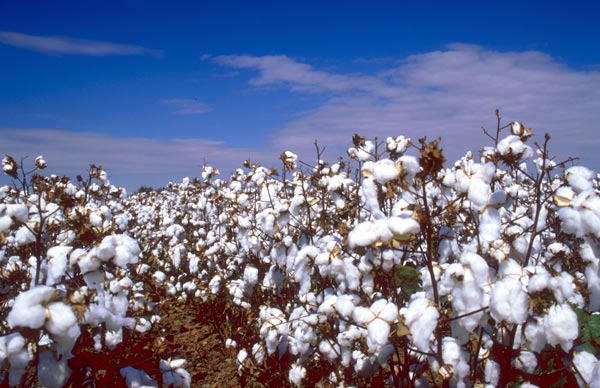
 Cotton, or kappas as it is locally called, has a very important role in the agricultural hierarchy of Pakistan. As Pakistan is the third-largest consumer and fourth-largest producer of this crop in the world, cotton demands a lot of attention from all concerned stakeholders. Almost 60 percent of Pakistan’s economy is textile-related and dependent on cotton in one way or another. Therefore, it is absolutely necessary that this crop is abundantly produced, not only to cover the domestic demand but also to be exported to other markets, bringing in desperately needed foreign exchange.
Unfortunately, the production of cotton here has not kept pace with the rise in demand due to the increase in spindles. In fact, Pakistan’s cotton production has been stagnant for the last many years, hovering around 11 to 12 million local weight bales annually. The area dedicated to cotton is not increasing either, as other crops can compete with better return. The southern coastal region of Sind may be an exception. There, growers who planted cotton that is said to be from Indian Bt seeds, have received good returns on their investment of time and money over the past two years.
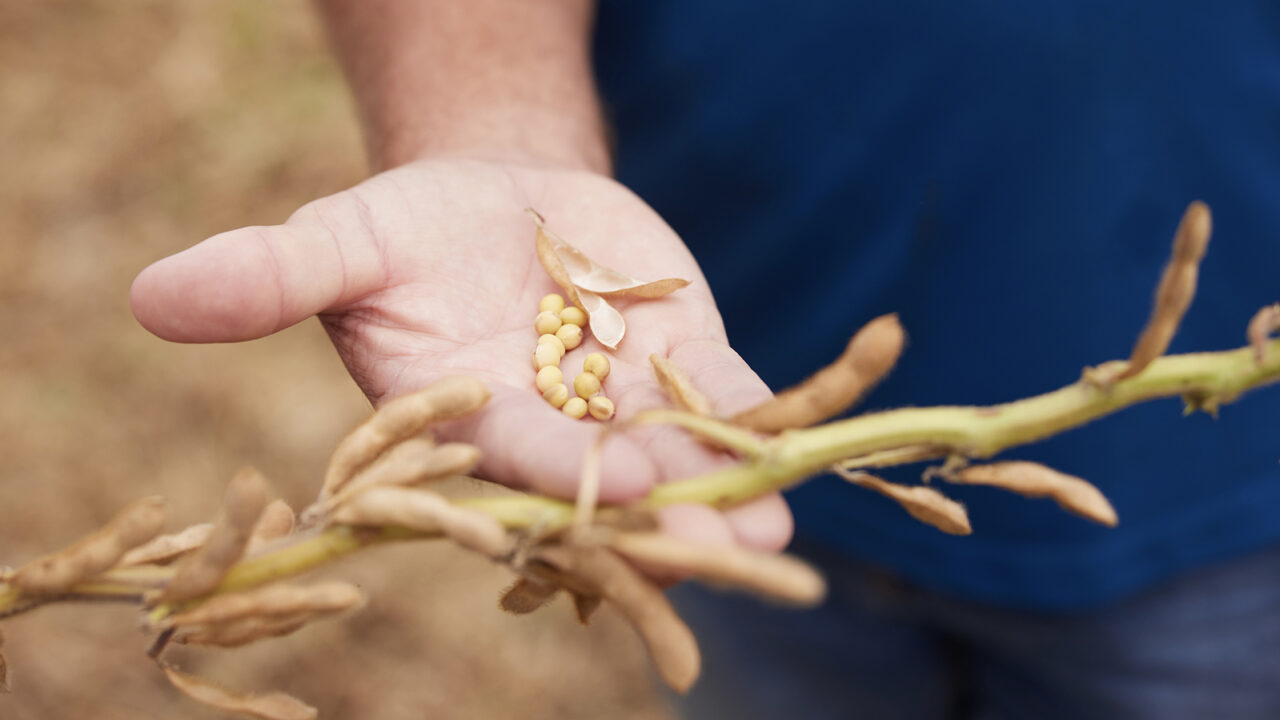
But in this day and age, there are other means to improving production beyond increasing land area. For example, use of genetically modified seeds can help produce more yield from the same acreage. The recent quantum leap in the production numbers of countries such as India, Brazil, and China have made people in our country think about the prospects of a bigger crop as well. But this thought process by the decision makers has taken quite a long time.
| Pakistan Cotton Production | |||||
| YEAR | Acreage (thousand acres) |
Production |
Yield per acre (lbs.) |
Cotton consumption (thousand bales) |
Export bales |
| 2000-2001 | 7,234 | 10,732 | 557 | 9,882 | 710,000 |
| 2001-2002 | 7,700 | 10,612 | 517 | 10,529 | 268,000 |
| 2002-2003 | 6,903 | 10,200 | 550 | 11,452 | 323,000 |
| 2003-2004 | 7,387 | 10,048 | 510 | 12,633 | 218,082 |
| 2004-2005 | 7,890 | 14,265 | 578 | 14,255 | 516,187 |
| 2005-2006 | 7,667 | 13,019 | 637 | 13,000 | 341,000 |
| 2006-2007 | 7,598 | 12,856 | 634 | 14,085 | 263,000 |
| 2007-2008 | 7,549 | 11,655 | 679 | 14,830 | 243,000 |
| 2008-2009 | 7,907 | 11,819 | 712 | 14,850 | 384,000 |
| Source: Karachi Cotton Association | |||||
During the last few years, the Pakistani governments (both current and last) have been in touch with multinational seed-producing companies, but certified Bt seeds, developed locally or from other sources, have not been available to the farmer yet. Nor is there any hope for these seeds to be available to the grower within the sowing time of the 2010-11 crop. Local farmers, out of desperation, have started using uncertified Bt seeds in some areas with mixed results. In some areas, the yields have been exceptionally high. In others, yield differences have been negligible and fiber characteristics have been compromised.
The association of textile spinning mills, or APTMA, (the biggest consumers of cotton in Pakistan) and the Karachi Cotton Association have been very vocal in recent years about introducing high-yielding seed varieties. Meetings have been held with the concerned ministers and related ministries, but all in vain so far. Government-sponsored visits by foreign scientists have also given hope that progress in this direction will be made. These developments have not been fruitful yet, but we are keeping our fingers crossed.
Financial Implications
We are now living in a world where trade scenarios change quickly. With the Internet accessible to many, information can reach the corners of the world in a matter of seconds. This also means that the markets are sensitive to every small bit of news and can change direction at any time. The financial turmoil that the world has seen in the recent past was so hard hitting that it made people remember the Great Depression of the early 20th century. It changed the cotton world, too.
Some decisions, which may have been taken after due consideration and calculations in the beginning of last year, made no sense at all later on. Many old companies that had been the icons of cotton trade closed their business or merged with others. Futures markets, which used to be the tools of hedging, were totally disconnected from the real physical market as more and more domination from the funds and financial institutions was seen. Then the fall of banks started in the U.S., followed by other markets. Fortunately, the banks in Pakistan were not in as bad shape as the institutions in the West and somehow survived the tsunami. However, the sudden liquidity crunch, high interest rates and defaults due to high volatility of cotton prices hit this market as well. Piling stocks of cotton yarn and defaults on contracts of cotton was common.
Has the trade learned any lessons from these events? Maybe yes. Can this situation be avoided in the future? Maybe not. Having said that, it should also be noted that there are much less on-call transactions in our market than before, giving an indication that the buyers and even the shippers don’t want to get trapped in the vicious cycle of margin calls if the futures market investors suddenly decide to raise the prices in all commodities. The futures market needs to have a mechanism to keep it closest to the actual cotton world and not get carried away in the volatility of other commodities.
The cotton world is a small world and the importance of the Pakistani market, be it as an importer or exporter, cannot be ignored. We hope that our government will focus more on the means to increase production and let trade be free of any restrictions, as it has been for so many years. Under these circumstances, Pakistan can become an even stronger partner of this trade.
GET THE NEWSLETTER TODAY!