

Six Days in June
 August 31, 2025
 In Hollywood, every great movie apparently must have a sequel. Some of that philosophy may also be in play on Capitol Hill, especially when budgets and legislation intersect.
Earlier this year, Cotton Grower reported on the Seven Days in December — a recap of a roller coaster week of behind-the-scenes action by the National Cotton Council to successfully protect the cotton industry and help push through much needed economic and disaster aid packages for agriculture.
Fast forward six months as debate on the One Big Beautiful Bill Act appeared to be moving toward the final votes needed to deliver it to the White House for a July 4 signing. That’s where this sequel begins.
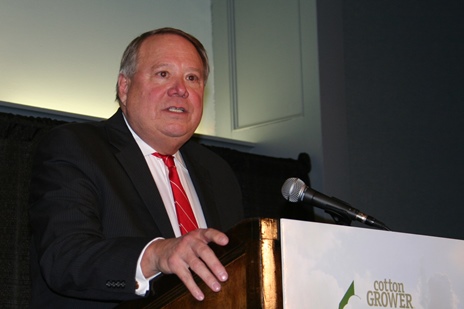
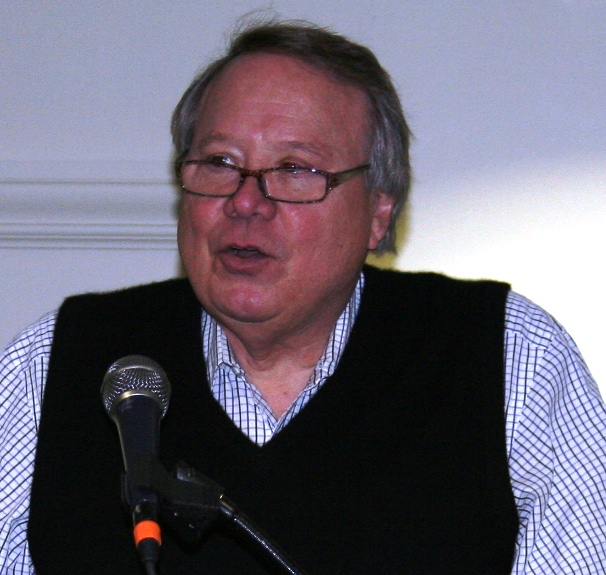
 Robbie Minnich (Photo: NCC)
“It was a whirlwind of a time as the Senate began to work through what it was going to be its version of the One Big Beautiful Bill,” recalls Robbie Minnich, National Cotton Council Vice President, Washington Operations. “We were seeing bits and pieces from different committees, including the Agriculture Committee, and we were very pleased with what Chairman Boozman put forward. But we also knew that the process would include a vote-a-rama where members could offer unlimited amendments, and we were monitoring that very closely.”
On Friday morning, June 27, rumors began that Sen. Chuck Grassley from Iowa was going to offer a payment limit amendment similar to ones he had offered several times before. By that afternoon, the rumor began transitioning into fact.
“We contacted some of our various cotton groups earlier in the day and asked them to go ahead and start making some calls,” says Minnich. “That afternoon, we activated our action alert system. We don’t use it very often because we want our members to recognize that whenever they see that, it really is important and they need to react.”
At that point, Minnich says they weren’t sure when the vote was going to happen, but NCC members began making calls to their senators — a lot of calls, as it turned out.
By Sunday (June 29), the amendment appeared to be more certain, and the NCC decided to organize a letter to Capitol Hill opposing the action. The letter was drafted that morning and in the hands of other commodity groups by lunchtime. In all, 40 national organizations from across the ag spectrum signed on by late Sunday afternoon.
“Commodity groups, livestock groups, specialty crop groups, conservation groups and others joined in against the amendment,” says Minnich. “That certainly helped, plus our state and regional cotton organizations sent a separate group letters. We soon learned that the Administration was going to oppose the amendment. And following discussions with other senators, Sen. Grassley decided to pull his amendment.”
From that point, the legislation passed both the Senate and House of Representatives in time to make it to the President’s desk by Friday, July 4.
Perhaps the greatest testament to the quick action and tenacity of the cotton industry came from several congressional offices that contacted Minnich asking cotton to “call off the dogs.”
“We respectfully declined,” he notes.
Just another shining example — as Gary Adams often puts it — of cotton “punching above its weight” in Washington.
“I think it’s a testament to the fact of how damaging that amendment would have been,” explains Minnich. “It really could have negated all of the good things that Chairman Thompson and Chairman Boozman of the Agriculture Committees were able to get into the One Big Beautiful Bill to help agriculture and the cotton industry.”
GET THE NEWSLETTER TODAY!