



Trends and Threats for Textiles into 2010
 March 16, 2009
 The phase out of the Multi Fiber Arrangement (MFA) on December 31, 2004, as per the Agreement on Textiles and Clothing (ATC) of the World Trade Organization (WTO), has brought an end to the “managed” trade regime in the global trade of apparels and textiles. This had several implications for the global textile and clothing trade. Apparel manufacturing and exporting countries can now operate without the restriction of quotas, importers now have an opportunity for open sourcing, retailers can now take advantage of competitively priced supply and consumers can reap the benefits in terms of broader choices and lower prices. All these opportunities have consequently boosted global textile and clothing trade.
Evidence suggests the MFA phase out has been a mixed blessing for apparel exporting countries. China came out very strongly once it acceded to the WTO in 2001, and more particularly at the end of MFA regime. It was expected that countries such as Bangladesh could lose market share in the face of competitive pressure from China and other South East Asian countries. It was widely believed that because of low productivity, weak competitive strength, long lead time and weak backward linkage, these countries would not be able to sustain their market share. However, following the MFA phase out, Bangladesh’s textile and clothing sector has continued four years without any noticeable setback. Export of textiles has increased from $6.417 billion USD in 2004/05 to $9.211 billion USD in 2006/07. Between the 2000 and 2007 fiscal years, gross export earnings have more than doubled, while net export earnings have gone up by almost two and a half times. Most of the increase in export earnings has come from an increase in volume, rather than an increase in price.
A Competitive Advantage
Several factors contributed to the structural changes in the Ready Made Garment (RMG) sector of Bangladesh. First, the global pie is increasing, as many apparel units in developed countries were forced to exit in light of the MFA phase out, and also due to growing purchasing power in the West. Between 2002 and 2006, the global market for apparels increased by about 45%. Also, the shift in the structure of apparel production, favoring knitwear where Bangladesh has a significant backward linkage, induced comparative advantage. In addition, preferential market access in developed countries provides Bangladesh considerable competitive edge over non GSP recipient exporters.
Although Bangladesh had a base in the cotton textile industry, its linkage with global markets was not worth mentioning. Realizing the importance of background linkage in terms of supplying export quality yarn and fabric to meet the growing needs of RMG units, textiles were placed in Industrial Policy as a Thrust Sector. Due to dynamism of the entrepreneurs and high global demand for Bangladeshi apparels, spinning mills sprung up.

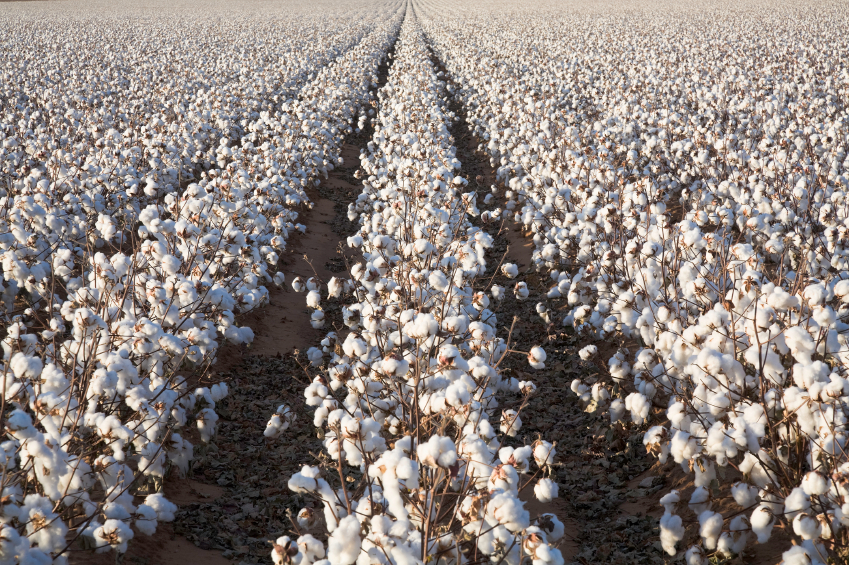

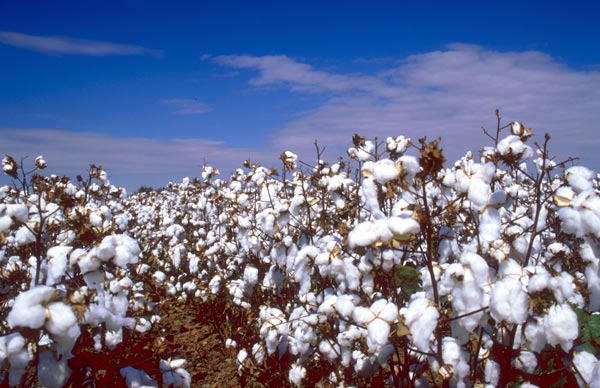

Economic growth patterns of developed and developing economics indicates that the initial development process has been based on basic industries, such as the primary textile sector (PTS). Cheap labor and support from the textile sector provided the forward linkage units necessary for acceleration, ensuring easy access to raw materials. In a highly competitive war on global trade, weaker countries without support from backward linkage had worn out in the global textile trade, such as in Sri-lanka and Mauritius.
The question of background linkage raises many policy issues. First, one rationale is that for sustained international competitiveness, a cluster of up and down stream industries is essential. Such cluster facilitates products and process innovation. Second, industrial linkages involving firms and suppliers of inputs are consistent with the flexible specialization paradigm. Inter-firm cooperation involving a linkage is likely to emerge when firms and suppliers are closely complementary, but dissimilar in capabilities. Therefore, PTS and RMG units’ cooperation help exploit dynamic external economics.
However, it should be kept in mind that some of our competitors in our global apparel market are also experiencing similar or higher levels of growth. China experienced a growth rate of 44% immediately after the MFA phase out in 2005. India achieved a growth of 32%, Cambodia achieved 11% growth, whereas Indonesia experienced 10% growth. Various documents show that countries that experience higher growth have undertaken substantive restructuring of their PTS (Primary Textile Sector) units, introduced technological changes and developed their infrastructure and investment supportive policies.
GET THE NEWSLETTER TODAY!