


Cotton Partners: Managing Cotton Research Programs and Priorities
 August 31, 2025
Every year brings its own challenges for cotton. But 2025 has been especially tough on producers and, by extension, other segments of the industry. That’s one of the reasons why research on multiple subjects and topics remains vitally important.
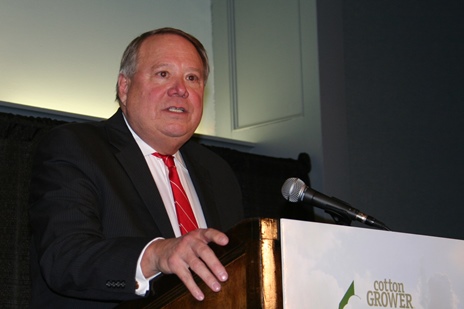
Chad Brewer, Vice President, Technical Services for the National Cotton Council and Director of the Cotton Foundation, discussed the need for continuing research efforts and the role of the Foundation in a recent interview on the Cotton Companion podcast.
“The Cotton Foundation is a nonprofit that allows allied agribusinesses that make a portion of their income from the cotton sector to help fund research and education projects that impact the entire industry,” explains Brewer. “Cotton Incorporated is the research and promotion arm of the industry that’s funded through the checkoff program. We communicate with them on a regular basis to make sure we’re getting the most efficient use out of the research dollars available to the industry.”
The Foundation accepts research requests during the first half of each year. Those proposals are reviewed by its Research and Education Committee and recommendations are made based on the research objectives and available funding. Brewer says 30 different proposals totaling about $1 million dollars were submitted this year.

“The proposals touched almost every segment of the industry and came from all across the Cotton Belt,” he notes. “I wish the Foundation could fund every one of them because they were high quality proposals.”
For 2025-26, the Foundation will fund nine recurring re-occurring projects and seven new projects to help address current issues facing cotton producers from both a regulatory and environmental standpoint, innovative changes to integrated pest management strategies, and various education and outreach initiatives.
“Many of the proposals that the Cotton Foundation receives but can’t fund are shared with Cotton Incorporated so that they’re aware that these opportunities exist,” says Brewer. “Through extensive cooperation and collaboration, we work together to try to help set some of the research priorities for the industry.”
Brewer cited several examples of some of the current research projects:
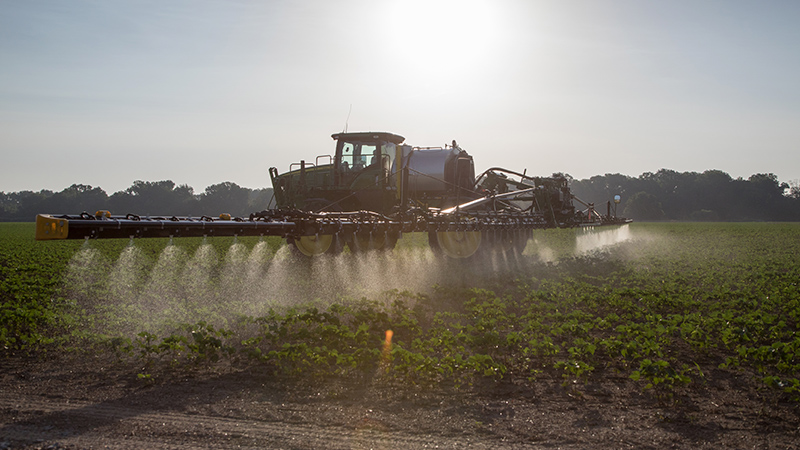
- Protecting yield and quality while looking for ways to help lower a grower’s bottom line. For example, proposed projects utilize integrated pest management practices to help measure the impact of beneficial/predatory insects on management of plant bugs and other insect pests. By understanding how beneficials interact, growers could potentially reduce pesticide applications to help lower costs and improve environmental impact.
- Enhancing ginning efficiency and, ultimately, profitability. Research efforts are under way focusing on opportunities to boost the return on investments for cotton gins, whether it’s ginning more efficiently to reduce costs and/or helping find new outlets for cottonseed usage, perhaps in beef cattle in addition to dairy cattle.
- Microplastics studies. The Foundation recently funded a project with the University of Memphis engineering school to examine microplastic shed by polyester and other synthetic clothing — not only into water through laundering but also through human exposure via inhalation.
Vital to the efforts of the Cotton Foundation and Cotton Incorporated are the universities and Extension service. Brewer points out that they are an important key to success.
“The university system has long been the source of information for producers, and that’s not going to change anytime soon,” he says. “We have some of the best Extension personnel in the country in the Cotton Belt — very high quality, excellent professionals.”
GET THE NEWSLETTER TODAY!