



Gin Insurance: Good News, Challenges, How to Help
 September 29, 2025
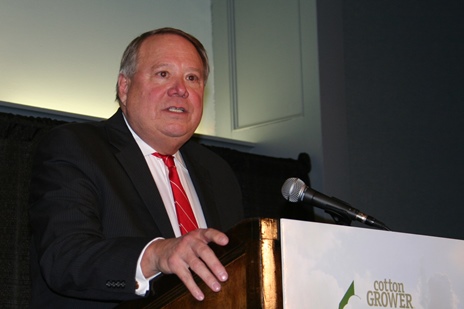
 During the Southern Cotton Ginners Association summer meeting in Florence, AL, Kyle Smith, CEO of Triangle Insurance, reviewed the status of the insurance business for gins.
“I have a little bit of good news,” he says. “There’s more capacity today in the reinsurance market than there has been for several years. That was a big problem in recent years, but now it’s starting to come back.”
Credit multiple reasons for the turnaround. The rate of inflation has come down. The ratio of the pound sterling to the dollar is back in balance. And ongoing upgrades and improvements within the ginning industry have caught the eye of the insurers.
“It’s very important,” adds Smith. “Insurance companies and reinsurance companies understand this. It’s helping bring some other players to the market.”
Insurance Challenges Remain



Smith points out that natural disasters are still a major driver of insurance costs. “We’re still having way more events than ever before, and the amount of money being spent on natural disasters in the U.S. is so crazy.”
Uncertainties around tariffs — especially for steel — could be troublesome when it comes to replacing ginning and other equipment parts. Costs for those parts could skyrocket without notice.
Geopolitical risks (China/Taiwan, Russia/Ukraine, etc.) and their effect on insurance costs remain an unknown.
Social inflation, notes Smith, could be the largest risk of all. Highway billboards for law firms help raise expectations for large jury awards. Litigation financing is now common to help cover legal payments. Creative injury complaints are on the rise.
“From 2000 to 2023, insurers saw a 320% increase in personal injury judgments,” he says. “That’s cost to your insurance dollars.”
Help Yourself by Reducing Risk
How can a ginner help? Smith offers some suggestions:
- Help prevent fires by installing spark detection systems and conducting annual thermal scans on trucks.
- Update equipment. “I know this isn’t easy to do right now, but if you have a gin console from the 1970s that burns up, you can’t repair that,” says Smith.
- From a liability perspective, hire quality drivers and train them properly. Install dash cameras in all vehicles.
- Conduct routine vehicle maintenance and document the work.
- Conduct ongoing employee training from preseason throughout the ginning season. Have an updated written training program and document all sessions.
“Risk is attractive to an insurance carrier,” points out Smith. “Little things add up to a lot.”
GET THE NEWSLETTER TODAY!