

New Stoneville varieties are giving BASF reasons for optimism heading into 2027, with grower feedback highlighting options that complement the brand’s established lineup.
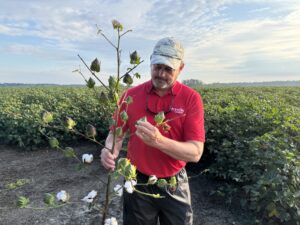
Kenny Melton, U.S. cotton agronomy lead for BASF, says the company’s cotton varieties had a good year across much of the Cotton Belt. Although extreme heat and dry weather challenged production on the Texas High Plains, performance farther east has brought attention to newer Stoneville genetics.
ST 4650AXTP and ST 5260AXTP are among those introductions. Melton says both are looking strong, with ST 4650AXTP emerging as a particular standout in the eastern Cotton Belt.
Stoneville Introductions Show Promise
Two varieties introduced for 2026, ST 4650AXTP and ST 5260AXTP, are among the newer options Melton is watching heading into the next growing season.
ST 4650AXTP has drawn particularly positive feedback from growers in the eastern Cotton Belt. Melton identifies it as one of the varieties rising to the top based on this season’s field performance.
He says ST 5931AXTP has performed well in South Texas and portions of the Eastern U.S., making it another important option as growers consider their fields for 2027.
Established Varieties Hold Their Place
New introductions are only part of Stoneville’s outlook. Melton also points to ST 6000AXTP and ST 5931AXTP as important options, noting the fiber quality of both varieties.
ST 5931AXTP has performed well in South Texas, and portions of the Eastern U.S. Melton says its emergence and tolerance to reniform and root-knot nematodes add to its value where those pests influence variety selection.
That combination gives growers several characteristics to consider together: how a variety establishes a stand, how it handles field-specific pressures, and the quality of the cotton it produces.
The established varieties also provide a foundation as BASF evaluates newer genetics. Heading into 2027, the lineup includes both familiar performers and introductions still building their record on growers’ farms.
Watching the Next Weed Control Tool
Another development Melton is watching is the potential registration of Alite ISO herbicide for cotton containing Axant Flex technology.
At the time of this issue’s publishing, registration remained pending. Melton says approval could expand weed management options, particularly through the herbicide’s potential role in preemergence programs.
“The best way to control the weed is to never let it come up to begin with,” Melton says.
He says extended residual control could give growers more flexibility before a subsequent postemergence application is needed. Any cotton use would depend on registration and the approved label.
Building Toward 2027
BASF is also evaluating several experimental cotton varieties, including candidates for Eastern growing regions. Melton says some stand out for fiber quality, while others show promise to combine that quality with high yield potential.
“That’s hard to come up with within the cotton breeding world,” Melton says. “And we’ve got some great-looking possibilities there.”
He says the experimental class offers potential advancements in both Eastern and Western markets. Those possibilities come as growers continue to scrutinize production costs and returns.
“We know it’s tough times, and we’re working hard to make sure that they get the best return they can,” Melton says.



Leave a Reply