




Control piercing, sucking insect pests and protect yield potential
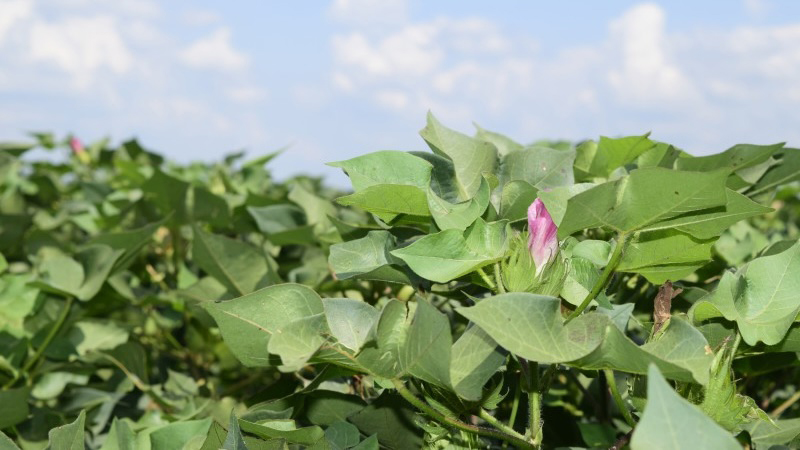
As blooms fall and pinhead squares begin developing, plant bugs move into cotton from host plants. Scout frequently and apply Transform® WG insecticide for optimum plant bug control and yield potential.
In the classic 1989 movie Field of Dreams, voices tell an Iowa farmer “… build it, and they will come…” He did, and ghosts of past players emerged from surrounding cornfields to bring to life one of the most successful baseball films ever made. As America’s cotton growers prepare to make another investment in the fabric of their lives, they know if they plant it, plant bugs will come, so they need a tailored pest control program that includes a reliable insecticide that provides insect control to protect developing bolls.
Plant bug pressure and control applications to address thresholds have increased across major portions of the Midsouth and southeastern United States. As populations move from host plants into developing cotton to feed on young bolls, consistent scouting is critical.
“When pinhead squares begin developing, plant bugs can move in very quickly and lay eggs,” said Jared Walls, market development specialist with Corteva Agriscience. “Those eggs can hatch within a week to 10 days, multiplying populations.”
The more fruiting positions on plant branches, the greater the probability to increase yield potential. Retaining those early season fruiting positions is essential.
“Throughout the first few weeks of bloom, boll retention of 80% should be the goal,” Walls said. “If boll retention falls below that, yield potential begins to fall significantly.”
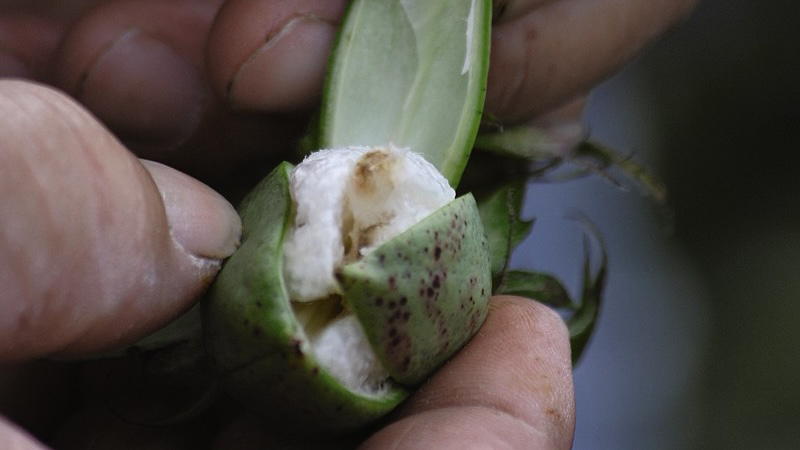
Piercing-and-sucking pests can damage young, developing bolls and quickly reduce yield potential.
Considerations for control
Resistance to pyrethroids continues to complicate plant bug control. Applications should be based on local economic thresholds, as not every field will require treatment.
Choose an insecticide that provides:
- Effective control of target pests
- Minimal impact on beneficial insects, including big-eyed bugs and lady beetles, that help manage secondary pests, such as aphids, whiteflies and spider mites, compared with broad-spectrum insecticides
“It’s also important to remember that the lowest-priced product may not always deliver the most effective control of targeted pests,” Walls said. “Many Extension researchers, consultants and growers continue to recognize Transform WG insecticide as a benchmark product for control of plant bugs and other sucking-and-piercing pests like aphids and whiteflies.”
Plant bugs often move within the canopy, hiding in the middle of the plant or inside fruiting structures. Transform® WG insecticide with Isoclast® active (sulfoxaflor) provides translaminar activity to control pests outside the direct spray path, along with systemic movement to protect new growth.
“Transform WG insecticide is the only member of the Group 4C class of insecticides, and it provides control of targeted insect pests in a variety of crops, including soybeans, cereal grains and vegetables,” Walls said. “It can also be tank-mixed with a harvest aid if aphids are present near crop maturity.”
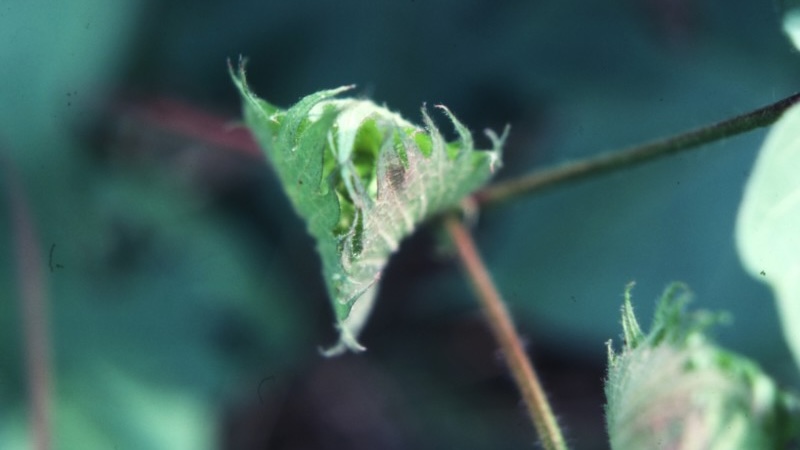
During the first few weeks of bloom, 80% boll retention should be the goal.
Corteva field trials across five states in 14 field sites showed a yield advantage 93% of the time compared with other plant bug programs when back-to-back applications of Transform WG insecticide were applied at 2 ounces per acre at or near bloom.
Choose an insecticide with a proven track record in research trials and maintains that reputation in cotton fields from the Midsouth and across the Southeast — choose Transform WG insecticide to help protect your cotton investment.
To learn more, visit TransformWG.Corteva.com/us.