

October 16, 2009
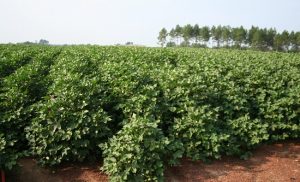
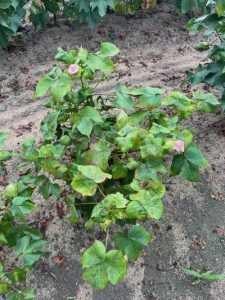
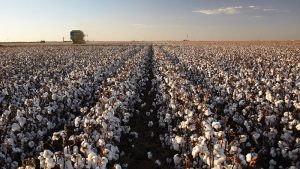
On Friday in Geneva, Switzerland, the Persistent Organic Pollutants Review Committee (POPRC) of the Stockholm Convention ordered a risk management evaluation of the pesticide endosulfan, which is used on cotton and other crops.
Once the evaluation is complete, the committee could propose placing the pesticide on the persistent organic pollutants (POPs) list at the convention’s next meeting in May 2011. Substances on the POPs list are banned globally, by terms of the convention.
The 31-member POPRC is comprised of highly placed scientists representing regions around the globe.
According to a press release issued by the committee on Friday: “A chemical can be listed in the Stockholm Convention as persistent organic pollutants (POPs) when it shows that it persists in the environment, bioaccumulates in organisms (increases in concentration up the food chain), travels through the environment over long distances from the region of its release to other regions of the globe, and is toxic to the environment and human health. Currently, there are twenty-one chemicals listed in the convention including DDT, lindane, PCBs and dioxins and furans and some brominated flame retardants.”
The POPRC representative from India voted against the risk management evaluation for endosulfan. India is one of the world’s top manufacturers and users of endosulfan.
In July, the multinational company Bayer announced that it would end its distribution of endosulfan in 2010 in all countries where it is still legally available. To date, more than 60 countries have banned the substance.


Leave a Reply