

Sparked by bad harvests and flooding in Pakistan and Australia, U.S. retailers and small businesses are bracing for higher raw material prices in 2011–the last thing they need as the nation’s economy is just starting to show signs of life.
Many small businesses have been trying to keep their costs under control in an effort to avoid having to pass on higher costs to their customers. SC Cornhole, a manufacturer of the popular bag-tossing game, uses duck canvas to make their bags and has seen dramatic increases in the cost of materials.
“We were shocked to see the price of our materials rise so much in a single year,” according to owner Tom Roth. “Fortunately, we have made it a habit to purchase regularly in order to average out the prices increases. We’ve also tried to purchase larger quantities in order to secure some larger discounts.
“The last thing we want to do is raise prices on our customers when the economy is so fragile. We’re looking for ways to improve efficiencies elsewhere so we can absorb the rising cost of materials. For instance, we were able to lower the cost of materials for our cornhole boards, which helped take the edge off the rising prices on our canvas. We really don’t have another alternative because we don’t want to use inferior materials just to save some money.”
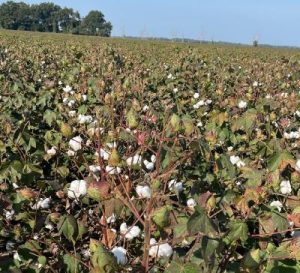
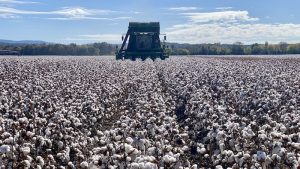
For the last 20 years, the U.S. apparel industry has enjoyed relatively low-priced materials, but a “perfect storm” of rising demand from developing nations and a string of bad weather in major cotton-producing nations has led to the historic prices currently found in the market.
This is a particularly significant problem for discount retailers, who compete primarily on price. Analysts estimate that eventually the price increases will need to be passed onto consumers, resulting in an estimated 7 percent to 8 percent price increase. That could be a deadly blow to an already-fragile economic recovery.




Leave a Reply